


Overview
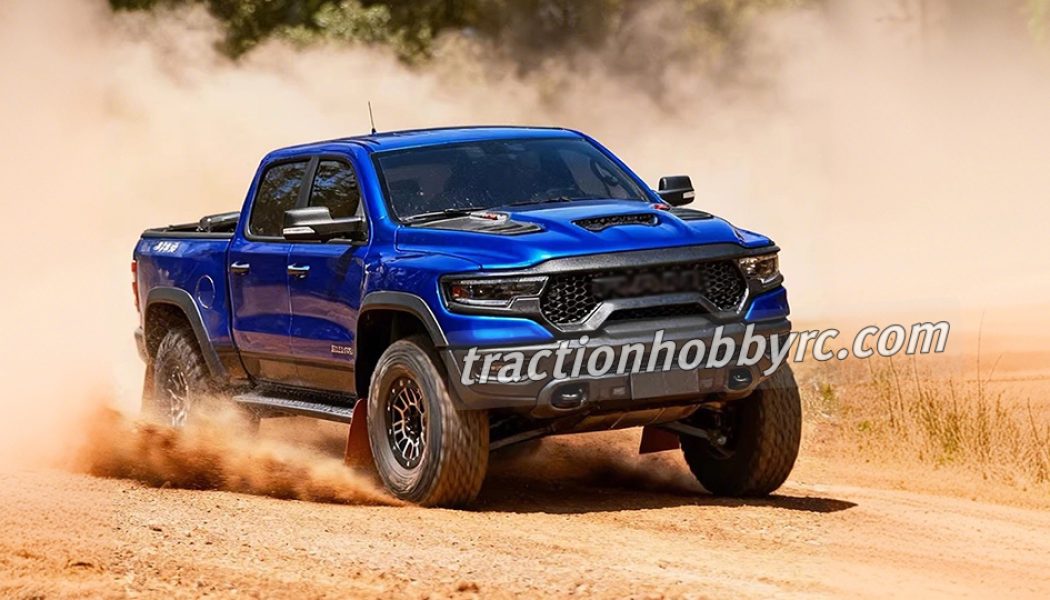
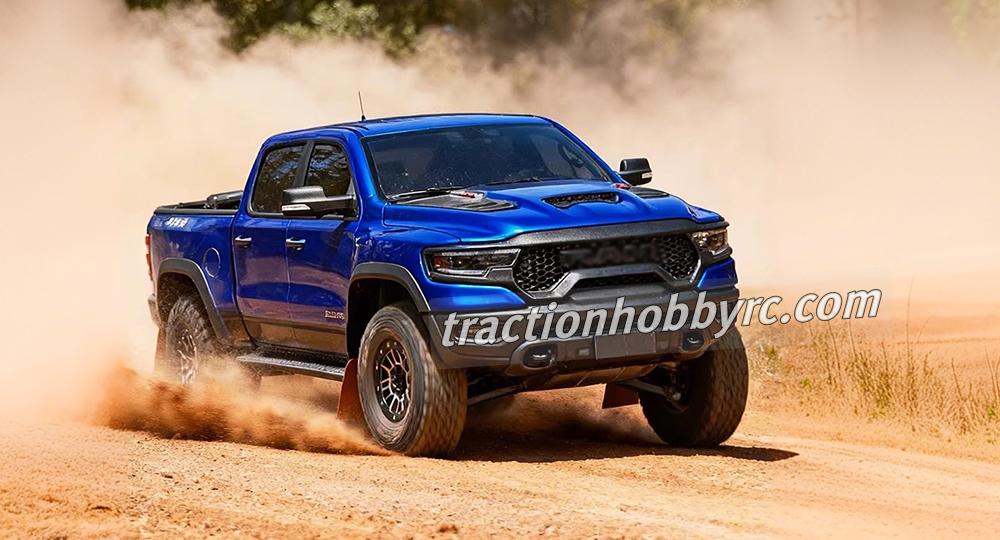
Some owners of 1/8 scale Tractionhobby RC Cars have reported front-wheel hopping, steering vibration, or CVD binding when turning at large steering angles. The affected models include the Tractionhobby F150 RC Car, Tractionhobby Tank 300 RC Car, and Tractionhobby Ram 1500 RC Car.
These symptoms may occur when the front CVD or dogbone driveshaft operates beyond its intended working angle. The issue can become more noticeable when the front differential is locked.
One customer suggested developing a Double Universal Joint (DJC) driveshaft as an aftermarket upgrade to improve drivetrain smoothness at large steering angles.
This article explains the possible causes of RC car CVD binding, how to troubleshoot steering vibration, and how adjusting the steering limit may help.
1. Why Does a Tractionhobby RC Car Vibrate at Full Steering Lock?
CVD binding and steering vibration are often related to the working angle of the drivetrain joints.
When the front wheels turn sharply, the angle between the driveshaft and the wheel hub increases. If the joint approaches or exceeds its mechanical operating limit, the drivetrain may no longer rotate smoothly. This can cause:
- Intermittent driveshaft binding.
- Uneven wheel rotation.
- Front-wheel hopping or vibration.
- Increased drivetrain resistance at large steering angles.
Similar mechanical limitations can affect full-size vehicles. CV joints and other drivetrain components are designed to operate within specific angular ranges, and exceeding those limits can cause abnormal operation.
Therefore, steering vibration on a Tractionhobby 1/8 RC Car does not automatically indicate a design defect. The actual cause should be identified by checking the joint angle, component condition, and drivetrain setup.
2. Why Can a Locked Front Differential Make the Problem Worse?
Locking the front differential changes how the front wheels rotate relative to one another. When cornering, the inner and outer wheels normally need to rotate at different speeds.
With a locked differential, the wheels cannot freely accommodate this speed difference. On a high-grip surface or at large steering angles, this can increase drivetrain stress and make existing binding or tire scrub more noticeable.
However, a locked differential is not necessarily the sole cause of steering vibration. The driveshaft working angle, tire grip, steering geometry, and other drivetrain components can also contribute.
3. How to Diagnose CVD Binding on an RC Car
If your Tractionhobby RC Car experiences steering vibration, follow these general inspection steps before replacing parts.
Step 1: Check the Steering Angle
Inspect the front wheels at different steering angles. Pay attention to whether binding begins only when the wheels approach their maximum steering position.
If the drivetrain rotates smoothly at smaller angles but binds at larger angles, the joint’s working angle may be a contributing factor.
Step 2: Inspect the CVD and Driveshaft
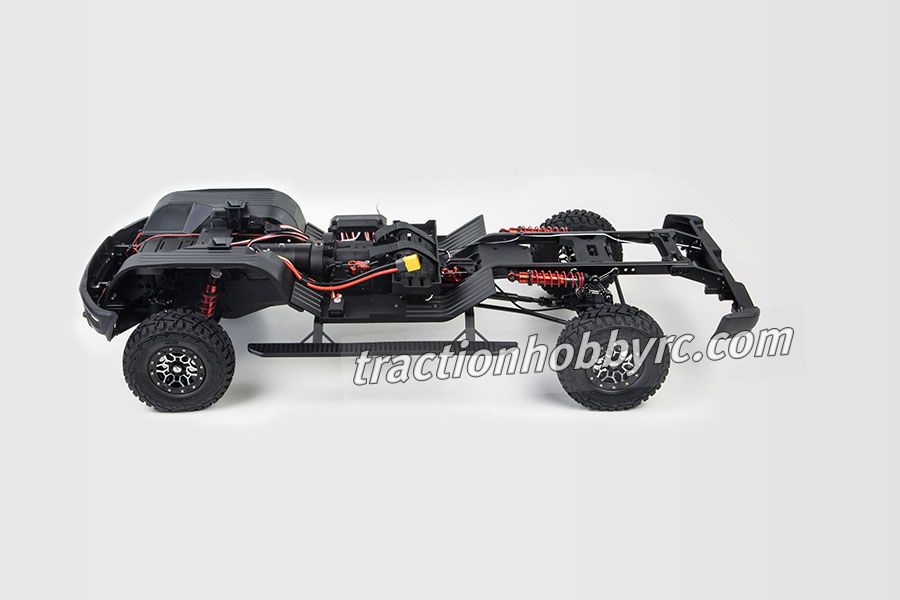
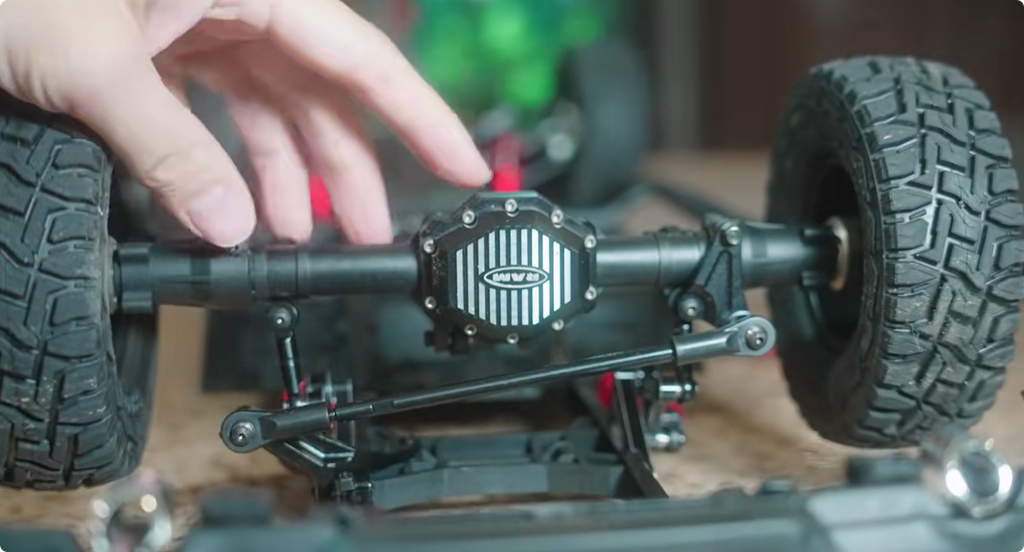
Check the CVD, dogbone driveshaft, wheel hub, and connecting components for visible wear, damage, interference, or incorrect installation.
Damaged or improperly seated components may cause symptoms similar to excessive joint angles.
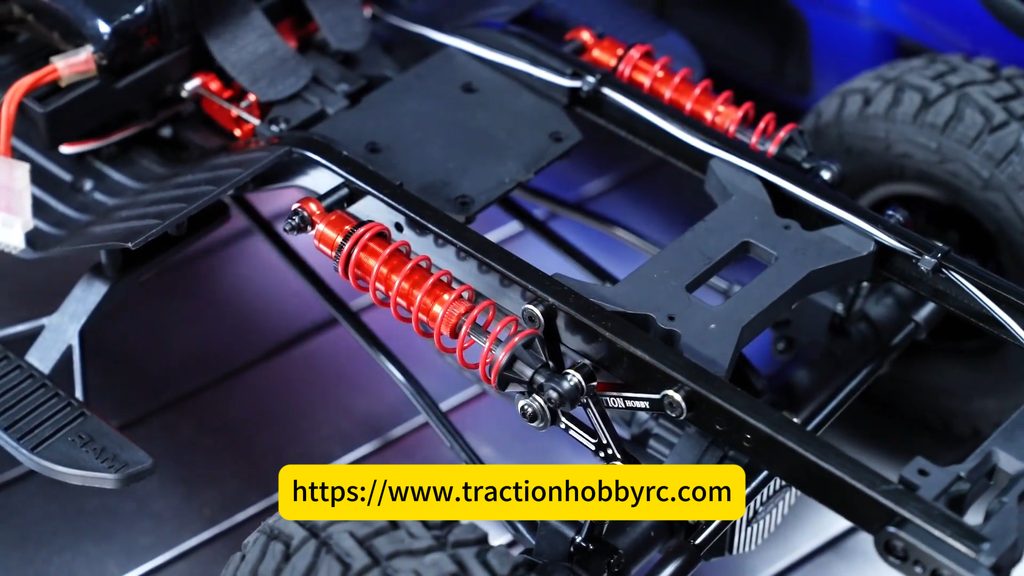
Step 3: Check the Steering Linkage
Inspect the steering links and related components to ensure that nothing is obstructing movement at full steering lock.
A mechanical obstruction or incorrectly adjusted linkage can also limit smooth steering operation.
Step 4: Reduce the Steering Limit
Gradually reduce the maximum steering travel and test whether the vibration becomes less noticeable.
If reducing the steering angle improves drivetrain smoothness, excessive joint articulation may be contributing to the problem.
Step 5: Check the Differential and Drivetrain
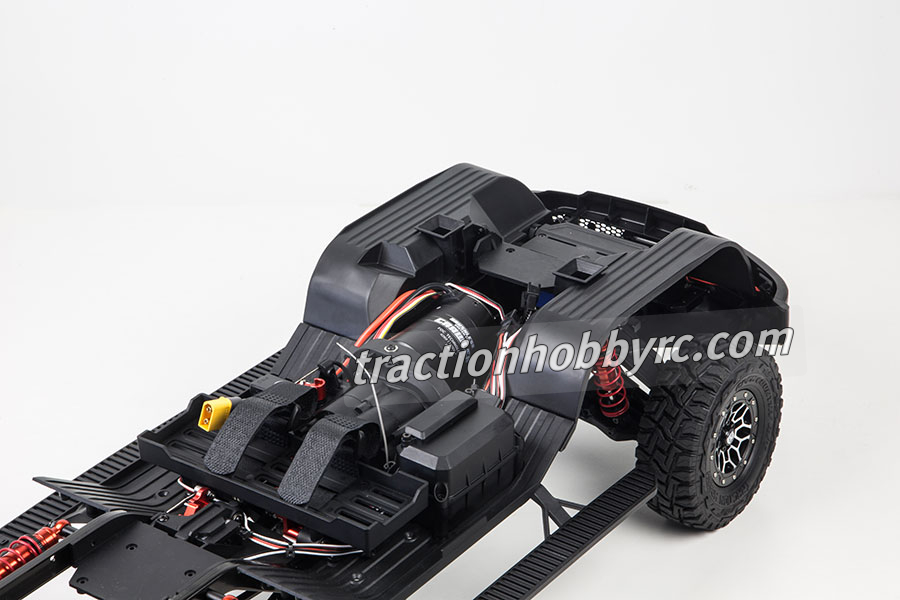
If the problem persists, inspect the differential, driveshaft connections, and other drivetrain components. If necessary, compare the vehicle’s behavior with the differential unlocked, following the model’s operating instructions.
Always keep the wheels clear of the ground during initial drivetrain checks, use low throttle, and keep hands away from rotating parts.
4. How to Reduce Steering Vibration on a Tractionhobby RC Car
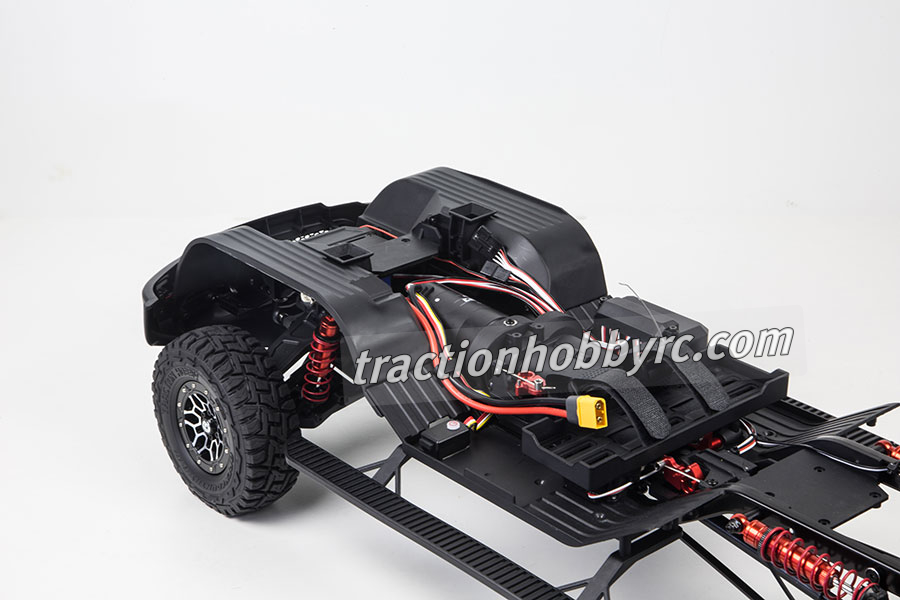
One practical solution is to adjust the steering endpoint so that the CVD does not operate at an excessively large angle.
As an initial test, set the maximum steering travel to approximately 80% of its available range. Test the vehicle and gradually adjust the setting until the front wheels turn smoothly without noticeable binding.
The 80% value is a starting reference, not a manufacturer-specified setting for every model. The appropriate steering limit varies with the vehicle’s steering geometry, drivetrain design, and component condition.
This approach can help balance steering range, drivetrain smoothness, and mechanical reliability. It is also worth checking the steering limit after replacing or modifying drivetrain components.
5. Could a Double Universal Joint (DJC) Driveshaft Solve the Problem?
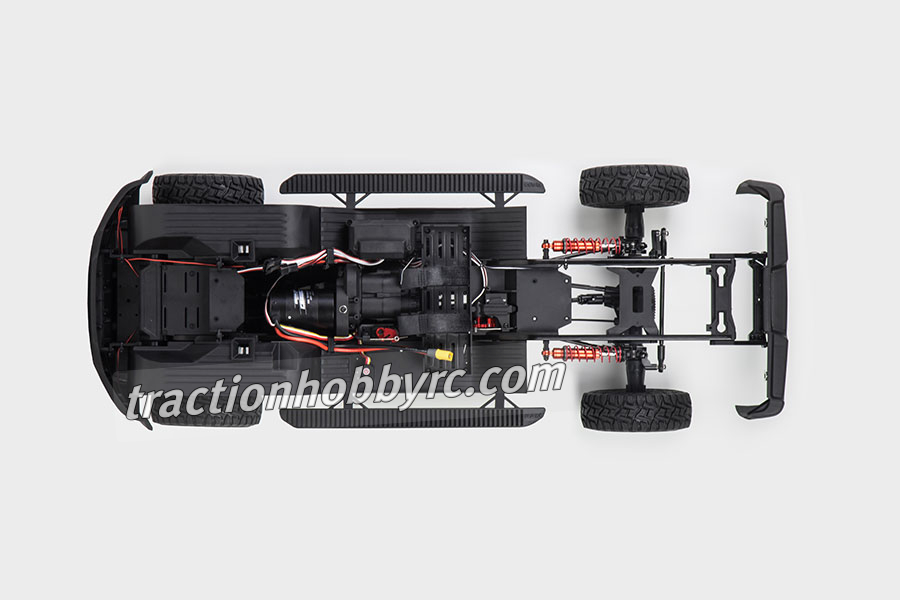
A customer proposed a Double Universal Joint (DJC) driveshaft for the Tractionhobby Ford Raptor RC Car, Tractionhobby Tank 300 RC Car, and Tractionhobby Dodge Ram 1500 RC Car.
A double-joint arrangement distributes articulation across two pivot points instead of relying on a single joint. Depending on its geometry and installation, this design may improve motion at larger steering angles.
However, its effectiveness depends on joint design, operating angles, available installation space, and compatibility with the existing drivetrain. It would require appropriate engineering and testing before being introduced as an aftermarket upgrade.
At present, there are no plans to develop a Double Universal Joint (DJC) driveshaft for these Tractionhobby RC Cars.
For existing models, adjusting the steering limit and checking the drivetrain condition remain the recommended practical steps.
6. Frequently Asked Questions
Q1: Why does my Tractionhobby RC Car hop when turning sharply?
A: Front-wheel hopping may result from CVD binding when the driveshaft operates at an excessive angle. Check the joint, steering linkage, and drivetrain, then reduce the steering limit to see whether the symptom improves.
Q2: Can a CVD driveshaft cause steering vibration on an RC crawler?
A: Yes. If the CVD exceeds its intended working angle or has worn or damaged components, it may rotate unevenly and cause vibration or binding.
Q3: Does locking the front differential increase RC car steering vibration?
A: It can make existing drivetrain resistance or tire scrub more noticeable because the front wheels cannot freely rotate at different speeds. However, the differential lock may not be the only cause.
Q4: Will limiting steering travel to 80% fix CVD binding?
A: It may help if the problem is caused by excessive joint articulation. The 80% setting is only a starting point; adjust it according to the actual behavior of your vehicle.
Q5: Is a Double Universal Joint (DJC) driveshaft available for Tractionhobby 1/8 RC Cars?
A: There are currently no plans to develop this upgrade. For now, owners should check the drivetrain and use a suitable steering limit to reduce excessive joint angles.
Conclusion
CVD binding and steering vibration at large steering angles are often associated with the mechanical operating limits of drivetrain joints. A locked front differential, worn components, or steering interference may also contribute to the symptoms.
For owners of the Tractionhobby Ford Raptor RC Car, Tractionhobby Tank 300 RC Car, and Tractionhobby Dodge Ram 1500 RC Car, the practical first steps are to inspect the drivetrain, check the steering linkage, and adjust the maximum steering angle.
Although a Double Universal Joint (DJC) driveshaft may be worth investigating as a potential aftermarket upgrade, there are currently no plans to develop one. A properly adjusted steering limit can help maintain smoother drivetrain operation while preserving a useful steering range.
We appreciate feedback from RC enthusiasts. Real-world reports help identify common concerns and provide valuable input for future product development.

